01
Coverage beyond day shift
Schedule work for nights, weekends, and the hours that are hardest to staff.
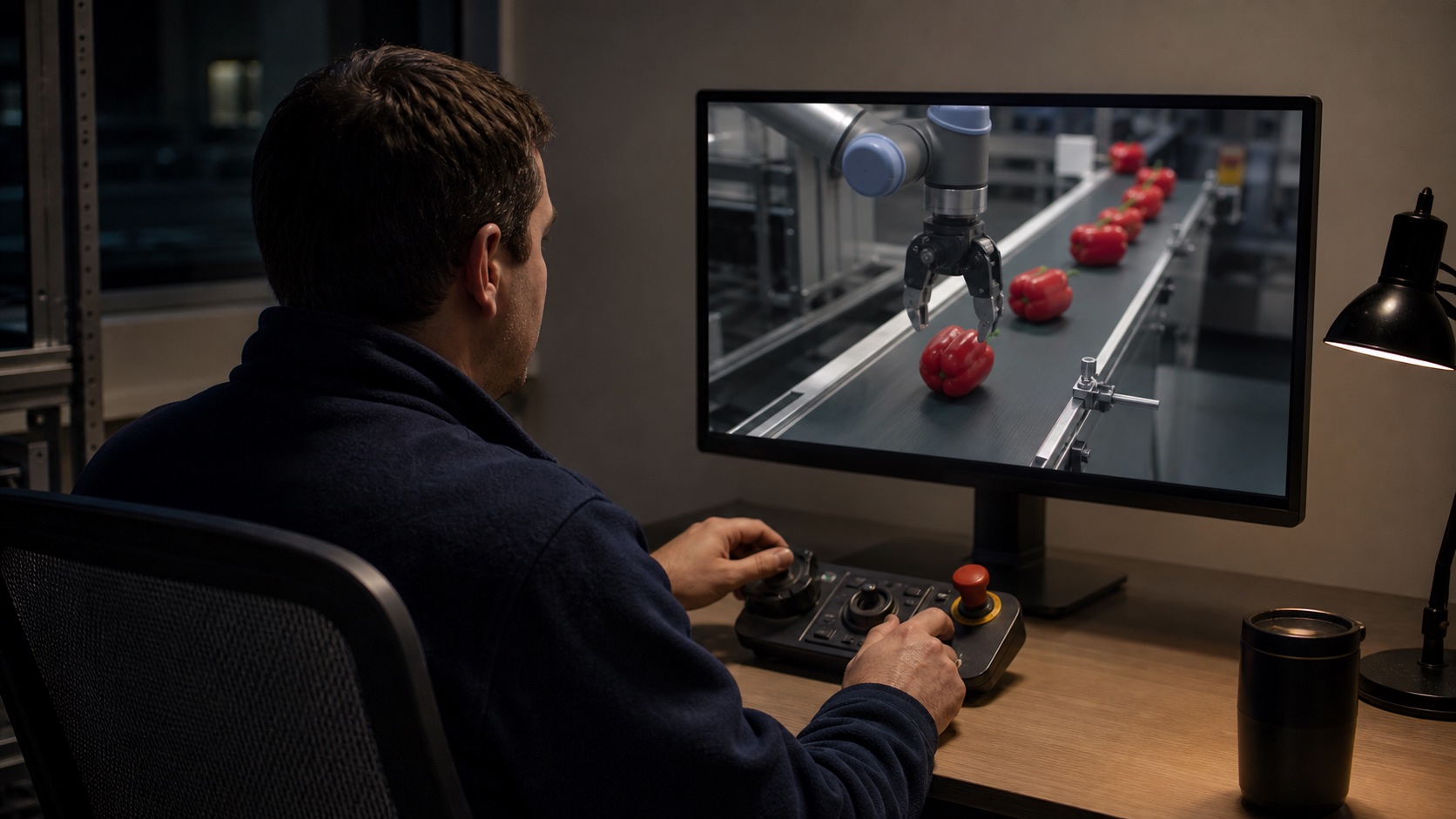
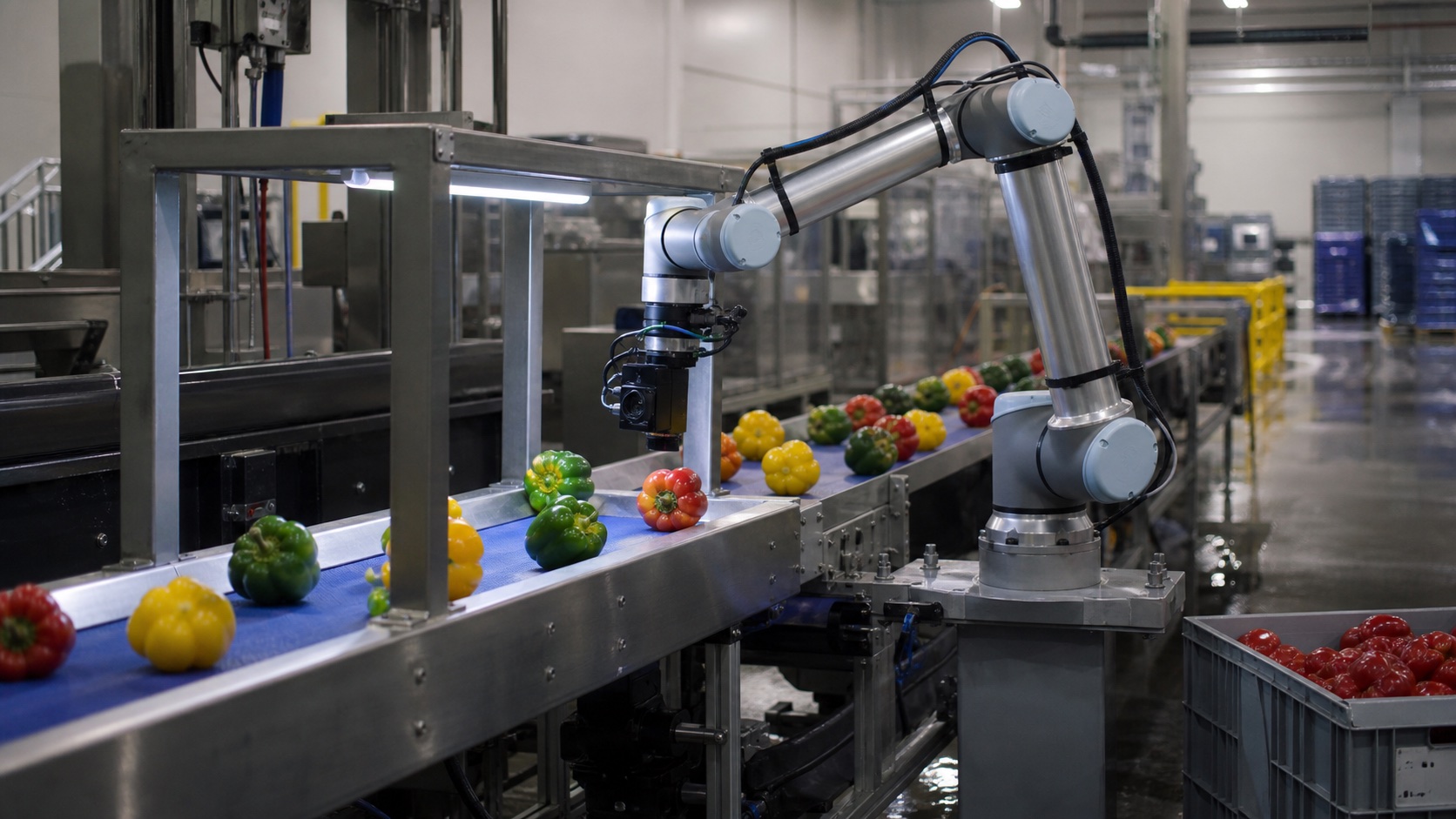
We place a robot at your station and run the job with a remote operator from the first shift. Start with overnight quality, sorting, packing, or rework.
We are selecting our first pilot sites. No customer deployment is implied by the examples on this page.
This is an operated shift, not a robot dropped at your dock. We stay responsible for keeping the work moving.
Schedule work for nights, weekends, and the hours that are hardest to staff.
A remote operator steps in when the job needs judgment. The line does not wait for perfect autonomy.
After deployment and training, you pay one monthly rate for each robot-shift.
Use the robot where the role is open or the shift does not exist. Keep your team on the work that needs them.
The robot extends your labor capacity into a missing shift. Your current team keeps the work that needs experience, judgment, and local ownership.
Show us the task, the pace, the exceptions, and what a good shift looks like.
A trained person controls the robot remotely from the first shift. The work gets done while we collect training data.
Routine actions move toward autonomy. The operator stays available for judgment and new edge cases.
A jammed item, a bad seal, or something new should not stop the shift. The operator sees the station, guides the robot through the case, and returns control when the job is ready.
Each intervention becomes an example for the next similar case. The goal is fewer takeovers, not a floor with no people.
We scope one job, bring the robot and operator, and stay responsible for making the shift work.
Discuss a pilotFinal scope depends on the station, cycle time, safety requirements, and robot fit. No exact price is promised before a walkthrough.
Plain answers for evaluating a first robot-operated shift.
A robot-operated shift for one defined job. We bring the robot, train the task, provide remote operation, and stay involved as the work moves toward greater autonomy.
Bounded, repetitive station work with clear inputs and outputs. Overnight quality checks, sorting, packing, and defined rework are the jobs we want to walk first.
A remote operator takes control, works through the case, verifies the result, and returns the robot to the routine task. The intervention is saved as training data.
No. Your team shows us the workflow and owns the requirements for the station. We remotely operate the robot throughout each shift, so you do not need to assign a dedicated robot operator.
We begin with stations that match the robot's current reach, cycle time, safety limits, and ability to handle variation. As training improves, we are expanding the range of roles and station types we can support.
Before a pilot starts, we agree in writing on guarding, e-stop placement, operating procedures, insurance requirements, and which party is responsible for each part of the workcell and operation. Anywhere a call touches product safety, the station routes conservatively and your people decide. The station never makes the final call where product safety is involved; uncertain items go to your people.
The pilot includes a one-time deployment and training fee, followed by a monthly rate per robot-shift. We target a rate below the loaded cost of the unfilled role. Additional training and task execution are available for an added fee.
Walk us through the missing shift: the station, normal cycle, edge cases, and staffing gap. If it fits, we will propose one bounded three-month pilot.
We are selecting first pilot sites across California's Central Coast. Start with a walkthrough of one job at one station.
Book a site walkthroughOr call (805) 779-1524.